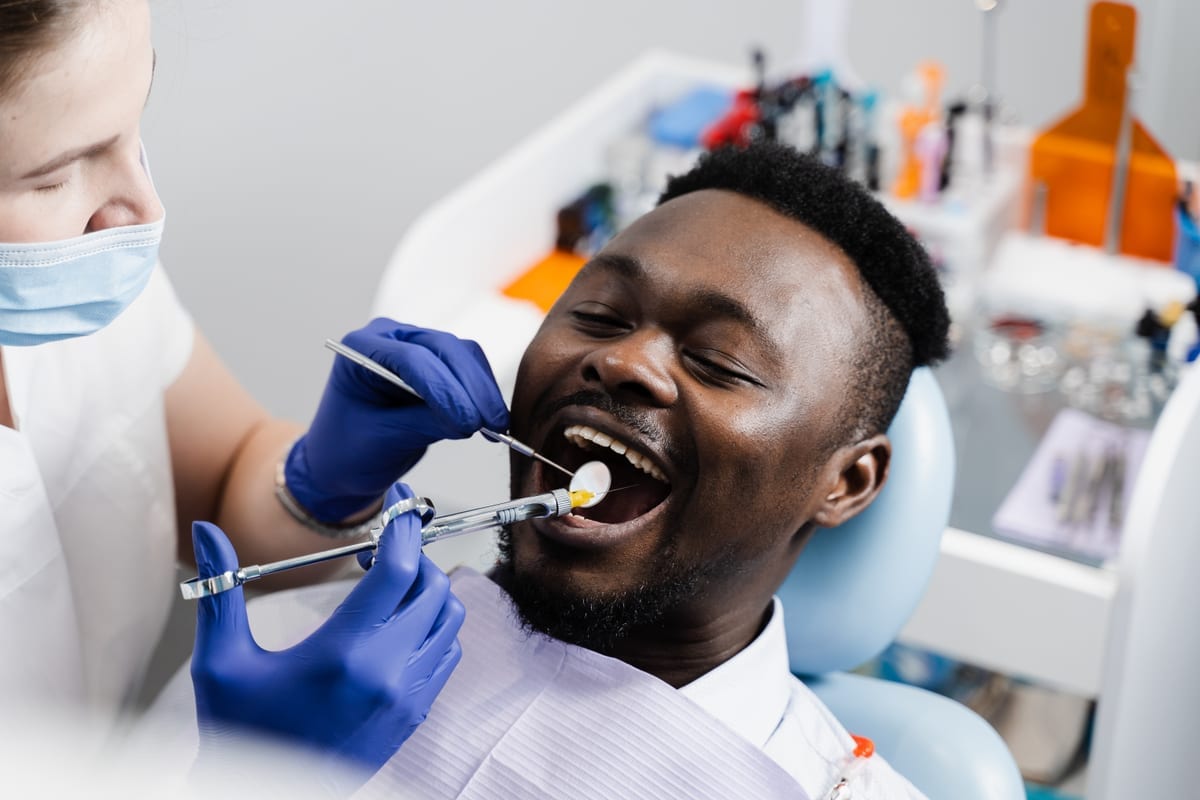


If you’ve ever wondered why your dentist recommends checkups every six months in Spokane, you’re not alone. It can feel like an arbitrary rule — something dentists just say. But there’s real science behind the twice-yearly schedule. Understanding the reasoning helps you make smarter decisions about your own oral health.
At Trailhead Dental, Dr. Jake Storer takes an honest, evidence-based approach. He believes patients deserve clear explanations, not just instructions. So let’s break down what’s actually behind the six-month recommendation — and when it might not apply to you.
Where Did the Six-Month Rule Come From?
The twice-yearly checkup guideline has been around for decades. It wasn’t always based on rigorous clinical trials. Early recommendations came from dental associations promoting preventive care in the mid-20th century. Over time, research has helped refine the thinking.
Studies show that most healthy adults develop plaque and early-stage gum issues on a predictable timeline. Six months gives your dentist enough time to catch problems before they become serious. It’s a sweet spot between too infrequent and unnecessarily frequent.
The key word is most. Not every patient fits the same mold. That’s actually an important part of this conversation — and we’ll come back to it shortly.
Why Six-Month Checkups Really Matter in Spokane
Spokane’s environment plays a small but real role in oral health. Seasonal changes, local diets, and community health patterns all factor in. Dry winters can contribute to reduced saliva flow, which raises cavity risk.
Regular checkups every six months allow Dr. Storer to monitor these environmental influences. He can catch early signs of decay, gum disease, or enamel erosion before they escalate. Catching problems early almost always means simpler, less invasive treatment.
Here’s what a typical six-month checkup at Trailhead Dental includes:
- Professional teeth cleaning to remove tartar buildup
- Digital X-rays to detect hidden decay or bone changes
- Gum health assessment and pocket depth measurements
- Oral cancer screening for early detection
- A review of any changes to your overall health
Each of these steps serves a specific preventive purpose. None of them are filler. Together, they form a reliable safety net for your long-term oral health.
When Some Patients Actually Need More Frequent Visits
Here’s where things get personal. The six-month guideline works well as a starting point. But some patients genuinely benefit from more frequent care — every three or four months.
Dr. Storer evaluates each patient individually. He considers your health history, lifestyle, and current oral condition. Based on that, he may recommend a customized schedule that fits your actual risk level.
You may need more frequent visits if you have any of the following:
- Active gum disease or a history of periodontitis
- Diabetes or other systemic conditions affecting oral health
- A tendency to build tartar quickly despite good brushing habits
- A history of frequent cavities or enamel erosion
- Dry mouth caused by medications or health conditions
- A weakened immune system
None of this means something is seriously wrong. It simply means your mouth needs a closer watch. More frequent visits help keep small issues from turning into bigger ones.
Could Some Patients Go Longer Than Six Months?
This is a fair question. Some research suggests that low-risk patients with excellent oral hygiene may be fine with annual checkups. A few countries have moved toward personalized recall intervals rather than a fixed schedule.
However, most dental professionals — including Dr. Storer — still recommend the six-month standard for most adults. The consequences of missing an early cavity or early gum disease are significant. The cost of prevention is always lower than the cost of treatment.
If you’re diligent about brushing, flossing, and maintaining a healthy diet, your checkups may be straightforward and quick. But skipping them entirely is a different matter. Early problems often have no symptoms at all. That’s precisely why professional monitoring matters.
How Checkups Connect to Your Overall Health
Oral health is deeply connected to whole-body health. Research links gum disease to heart disease, diabetes complications, and even pregnancy outcomes. A routine checkup isn’t just about your teeth — it’s part of a broader health picture.
Dr. Storer often notices early signs of systemic conditions during routine exams. Oral changes can signal nutritional deficiencies, autoimmune issues, or undiagnosed diabetes. A six-month window gives him the opportunity to flag these concerns early.
Patients at Trailhead Dental also have access to a full range of services beyond general care. If a checkup reveals cosmetic concerns, Cosmetic Dentistry Spokane options like veneers or whitening can be discussed. If a dental emergency arises between visits, Emergency Dentistry Spokane services are also available.
Preventive care is the foundation. Everything else builds on it.
Making the Most of Your Checkup
Showing up is the first step. But you can also prepare to get more out of every visit.
Before your appointment, note any changes you’ve noticed. Sensitivity, soreness, bleeding gums, or cosmetic concerns are all worth mentioning. Even small observations help Dr. Storer build a more complete picture of your oral health.
After your checkup, follow through on any recommendations. Whether that’s adjusting your brushing technique, adding flossing to your routine, or scheduling a follow-up treatment — consistency matters. The six-month schedule only works when patients engage with it actively.
Conclusion
Understanding why your dentist recommends checkups every six months in Spokane makes it easier to prioritize them. It’s not an arbitrary rule. It’s a well-reasoned preventive strategy that catches problems early, supports whole-body health, and saves you time and discomfort in the long run. Dr. Jake Storer and the team at Trailhead Dental are here to make every visit straightforward and worth your time. Book Now to schedule your appointment with our team.
Frequently Asked Questions
Why do dentists recommend checkups every six months specifically?
The six-month interval is based on how quickly plaque and tartar accumulate for most adults. It gives dentists enough time to catch early-stage decay and gum disease before they become serious. Research supports it as a practical preventive standard for the majority of patients.
What if I have no pain or symptoms — do I still need a checkup?
Yes. Many dental problems, including early cavities and gum disease, develop without any pain or obvious symptoms. Regular checkups allow Dr. Storer to detect these issues using X-rays and clinical exams before they become painful or expensive to treat.
Can my checkup schedule be adjusted based on my individual needs?
Absolutely. Dr. Storer evaluates each patient individually and may recommend visits every three to four months for patients with higher risk factors. These include gum disease, diabetes, dry mouth, or a history of frequent cavities. Your schedule is built around your specific health picture.
How long does a routine checkup and cleaning take at Trailhead Dental?
Most routine checkup and cleaning appointments take between 45 and 60 minutes. If X-rays or additional assessments are needed, it may run slightly longer. Dr. Storer’s team works efficiently so your time is respected at every visit.
What happens if I skip my six-month checkup?
Missing a checkup gives small problems more time to develop undetected. A minor cavity can grow into one requiring a crown. Early gum disease can advance into periodontitis. The longer the gap between visits, the higher the risk of needing more complex and costly treatment.