
Losing a tooth feels like a manageable problem at first. You adjust how you chew. You smile a little differently. You tell yourself you will deal with it later. But understanding why delaying a dental bridge costs you more than money in Spokane is one of the most important things a patient can learn. The consequences of waiting are real, progressive, and often expensive.
At Trailhead Dental, Dr. Jake Storer works with Spokane patients every week who wish they had acted sooner. This article explains what actually happens when a missing tooth goes untreated — and why a dental bridge is worth prioritizing now.
Why Delaying a Dental Bridge Costs You More in Spokane
A missing tooth creates a gap in your bite. That gap may seem harmless, but your surrounding teeth do not ignore it. They begin to shift gradually toward the open space. This movement is called tooth drift, and it happens faster than most people expect.
As teeth shift, your bite changes. An uneven bite puts stress on your jaw joints and remaining teeth. Over time, this can cause headaches, jaw soreness, and uneven enamel wear. What started as one missing tooth can create a cascade of new dental problems.
Bone loss is another serious consequence. Your jawbone needs the stimulation of tooth roots to stay dense. Without that stimulation, bone begins to resorb — or shrink — in as little as a few months. This affects the shape of your face and your eligibility for future dental procedures.
What Is a Dental Bridge and How Does It Help?
A dental bridge is a fixed restoration that replaces one or more missing teeth. It uses the healthy teeth on either side of the gap as anchors. A custom-made artificial tooth — called a pontic — sits in between, restoring your smile and your bite.
Bridges are stable, comfortable, and long-lasting. Most patients adapt to them quickly and notice an immediate improvement in chewing ability. Unlike removable options, a bridge stays in place at all times.
Here are the key benefits a dental bridge provides:
- Prevents neighboring teeth from shifting into the gap
- Restores full chewing function and bite balance
- Helps preserve jawbone density in the affected area
- Improves speech affected by a missing tooth
- Restores the natural appearance of your smile
When placed promptly, a bridge protects your remaining teeth and oral structure. Waiting removes these protective benefits and allows damage to compound quietly over time.
The Hidden Costs of Waiting Too Long
Many Spokane patients delay treatment because they are managing costs or busy schedules. That hesitation is completely understandable. However, the longer you wait, the more complex your treatment often becomes.
Shifted teeth may need orthodontic correction before a bridge can fit properly. Bone loss may require grafting procedures before a bridge or implant can be placed. What could have been a straightforward restoration can become a multi-step, multi-appointment process.
There are also quality-of-life costs that do not show up on a bill. These include:
- Difficulty chewing certain foods comfortably
- Self-consciousness about your smile in social or professional settings
- Jaw pain or tension headaches from an uneven bite
- Increased sensitivity in the teeth adjacent to the gap
- Gum tissue changes in the open area over time
These issues affect daily life in real ways. Addressing a missing tooth early keeps your options open and your costs lower in the long run.
How Delaying Affects Your Overall Oral Health in Spokane
Your mouth functions as a connected system. When one part is compromised, others compensate. Teeth that shift or bear uneven load are more vulnerable to cracking and decay. Gums in the gap area can become inflamed without proper cleaning access.
Patients who delay replacing missing teeth often find themselves needing additional procedures — sometimes including Emergency Dentistry Spokane services when a shifted or stressed tooth breaks unexpectedly. Emergency care is always available, but preventive action is far less disruptive to your life.
Your overall smile aesthetics are also affected over time. Bone and gum changes can alter the way your face looks, particularly around the cheeks and lower jaw. This is not a vanity concern — it is a structural one. Patients interested in Cosmetic Dentistry Spokane options often discover that untreated tooth loss has limited their restoration choices.
Acting on a bridge recommendation is one of the most effective ways to protect your long-term oral health investment. The sooner the gap is addressed, the more of your natural structure you preserve.
What to Expect When You Choose a Dental Bridge at Trailhead Dental
Dr. Jake Storer and the Trailhead Dental team make the bridge process straightforward and comfortable. Most patients complete the process in two visits. Here is a general overview of what to expect:
- Consultation and planning: Dr. Storer evaluates the gap, surrounding teeth, and bone structure. Digital X-rays help determine the best approach.
- Tooth preparation: The anchor teeth are gently shaped to support the bridge crowns. A temporary bridge protects your smile during this phase.
- Custom fabrication: Impressions are sent to a dental lab. Your bridge is made to match your natural tooth color and shape.
- Final placement: Your permanent bridge is fitted, adjusted for your bite, and bonded securely in place.
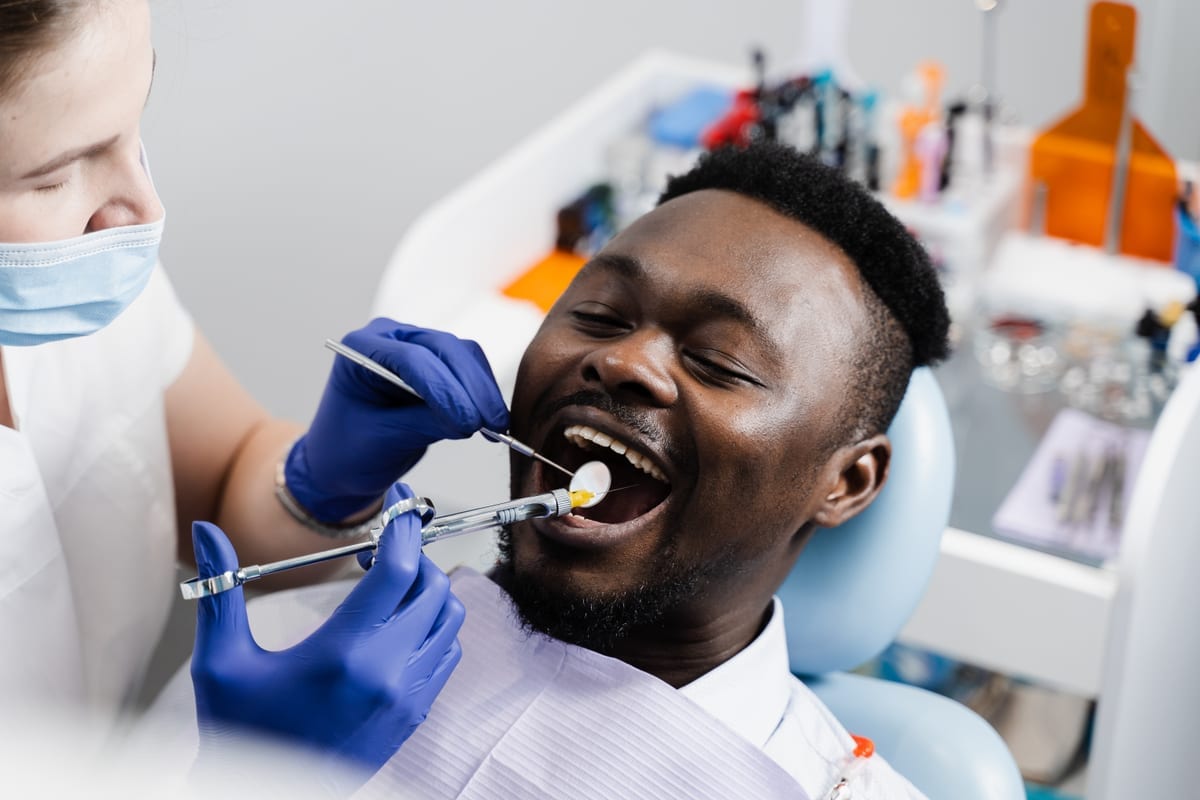
The team prioritizes your comfort throughout every step. Local anesthesia ensures the preparation phase is painless. Most patients are pleasantly surprised by how manageable the process is.
With proper care, a dental bridge can last ten to fifteen years or longer. Regular cleanings and good home hygiene make a significant difference in that longevity.
Take Action Before Waiting Becomes the More Expensive Choice
A missing tooth is not a problem that resolves on its own. It evolves into a more complex situation the longer it goes unaddressed. Spokane patients who act promptly protect their remaining teeth, preserve their bone structure, and avoid the compounding costs that come with delay.
Dr. Jake Storer is here to help you understand your options without pressure. A consultation at Trailhead Dental gives you the information you need to make a confident decision. Book Now to schedule your appointment with our team.
Frequently Asked Questions
How soon should I get a dental bridge after losing a tooth?
Ideally, you should consult with your dentist within a few weeks of losing a tooth. Bone loss and tooth shifting can begin relatively quickly. The sooner you discuss a bridge, the more treatment options you are likely to have available.
Is a dental bridge painful to get?
The procedure is performed under local anesthesia, so discomfort during treatment is minimal. Some patients experience mild sensitivity for a few days after tooth preparation. Most people find the process much more comfortable than they expected.
How long does a dental bridge last?
With good oral hygiene and regular dental visits, a dental bridge typically lasts ten to fifteen years. Some bridges last even longer. Cleaning carefully around and under the bridge every day helps extend its life significantly.
Can I eat normally with a dental bridge?
Yes. A properly fitted bridge restores your ability to chew comfortably. You may want to avoid very hard or sticky foods to protect the restoration, but most everyday foods are fine. Dr. Storer will give you specific care guidance after placement.
What happens to my jawbone if I delay getting a bridge?
Without a tooth root providing stimulation, the jawbone in the gap area begins to resorb — or shrink — over time. This can affect the shape of your face and may complicate future restorative options. Addressing the gap promptly helps slow or prevent this bone loss.