

A weak tooth does not just sit quietly in your mouth. You feel it when you bite into food. You notice it when cold drinks hit a sensitive spot. You may even avoid chewing on one side without realizing it. Small changes like these can affect your daily comfort more than you expect.
Many people deal with cracked edges, worn enamel, or old fillings that no longer hold up. Over time, these issues make teeth feel unreliable. You might worry about sudden pain or further damage.
The good news is that modern solutions can restore both strength and appearance. Treatments like dental crowns help protect fragile teeth while improving how they look and function. In this blog, you will learn why teeth weaken and how the right care can bring back confidence in your smile.
What Causes Teeth to Become Weak Over Time?
Teeth are strong, but they are not indestructible. Daily habits and natural aging can slowly reduce their strength.
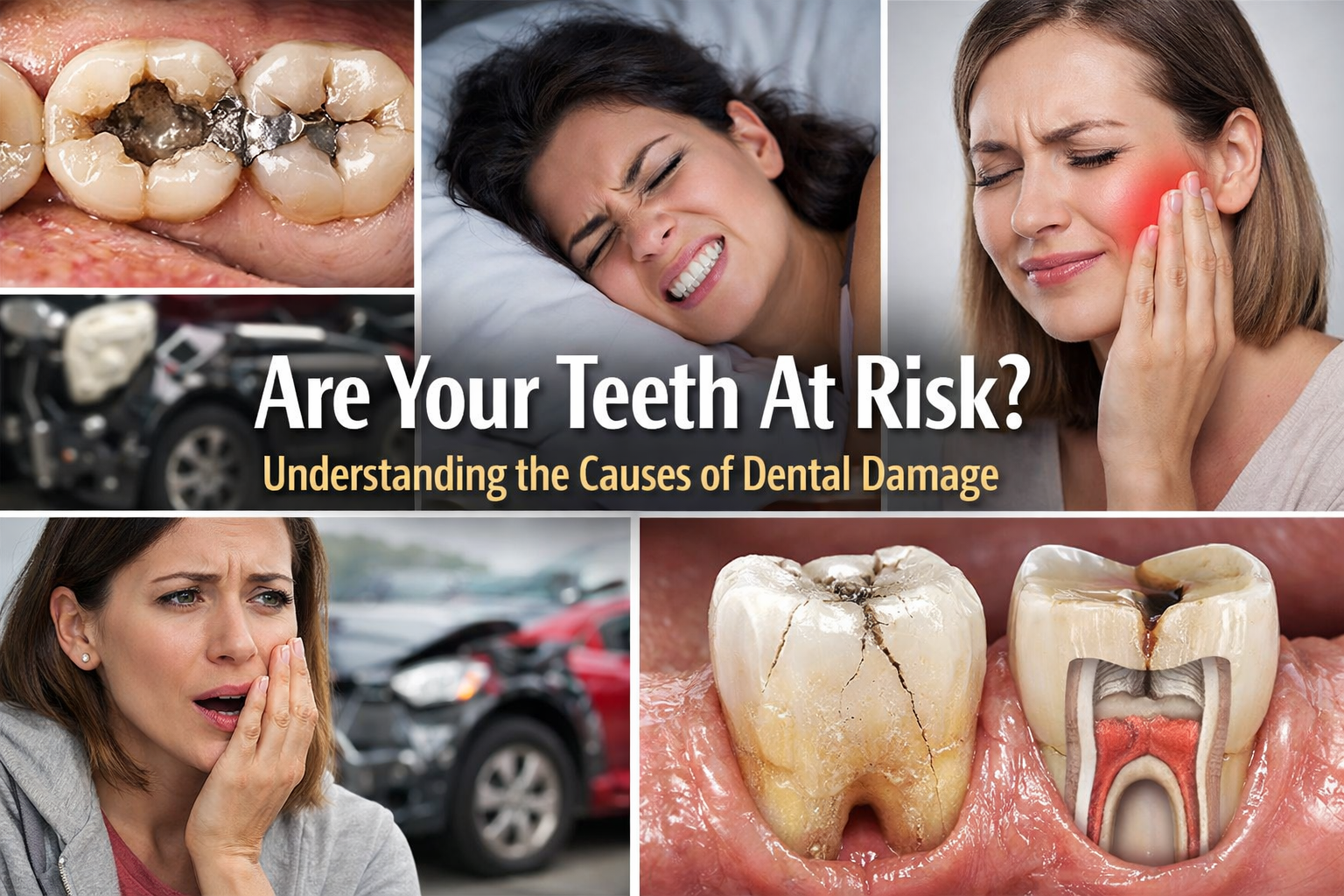
Tooth decay is one of the most common causes. When cavities grow or fillings become large, less natural structure remains. This makes the tooth more likely to crack under pressure.
Teeth grinding, also known as bruxism, adds another layer of stress. Many people in active communities around Washington experience this due to busy routines or nighttime clenching. Over time, grinding wears down enamel and creates small fractures.
Accidents or trauma can also weaken teeth. A sudden impact, even if it seems minor, may cause internal damage. These cracks often worsen without treatment.
As you age, enamel naturally thins. Years of chewing, acidic foods, and temperature changes take a toll. Teeth that once felt strong may start to feel sensitive or worn.
Teeth that have undergone root canal treatment also lose some internal strength. Without proper protection, they are more prone to breakage. Each of these factors plays a role in making teeth vulnerable.
Signs Your Tooth May Need Extra Protection
Your teeth often give clear signals when they need support. Paying attention to these signs can help prevent bigger problems.
Pain while chewing is one of the earliest indicators. If biting down causes discomfort, the tooth may already be compromised. Ignoring this can lead to deeper cracks.
Visible damage is another warning sign. You might notice uneven edges, small chips, or lines on the surface. These changes may seem minor, but they often indicate structural weakness.
Sensitivity to hot or cold foods is also common. When enamel wears down, the inner layers become exposed. This makes everyday eating uncomfortable.
If a tooth has needed repeated repairs, it may no longer have enough strength to function properly. Multiple fillings can weaken the remaining structure.
Some people describe a tooth as feeling “off” or unstable. Even without pain, this sensation matters. It often means the tooth needs reinforcement before it worsens.
Recognizing these signs early allows for simpler and more effective care.
What Is a Dental Crown and How Does It Work?
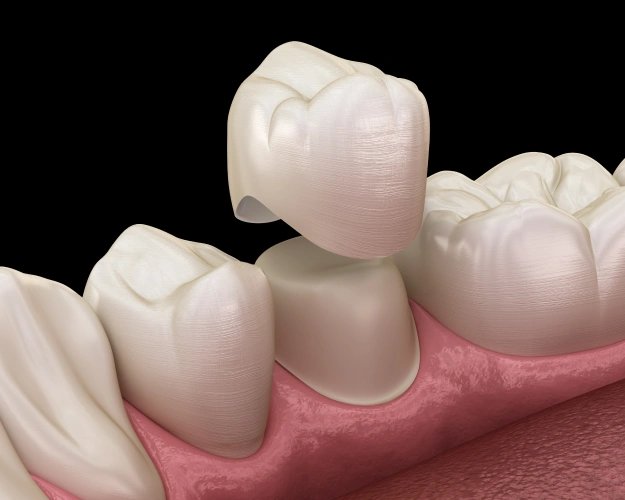
A dental crown is a custom-made covering that fits over a damaged tooth. It acts as a protective layer, restoring both strength and shape.
The crown covers the entire visible part of the tooth above the gumline. This full coverage allows it to support areas that are weakened or worn down.
It is designed to match your natural teeth. The size, color, and shape blend in with your smile, so it does not stand out.
Functionally, it works like a natural tooth. You can chew, speak, and smile with confidence. The goal is to restore normal use without discomfort.
At Trailhead Dental, the process of dental crowns in Spokane focuses on precision and comfort. The tooth is prepared, impressions are taken, and a custom crown is created. Once placed, it becomes a strong outer layer that protects the tooth underneath.
This approach helps preserve your natural tooth while improving its durability.
How Dental Crowns Restore Strength to Weak Teeth
When a tooth becomes weak, it needs more than a simple fix. It requires reinforcement that supports it from all sides.
Dental crowns provide this support by holding the remaining structure together. They act like a shield, distributing pressure evenly during chewing.
This reduces the risk of cracks spreading further. Small fractures that could worsen over time are stabilized once the crown is placed.
Teeth that have had root canal treatment benefit significantly from this protection. Without internal pulp, these teeth can become brittle. A crown helps restore their strength and function.
Another key advantage is comfort. Patients often notice that chewing feels natural again. There is less worry about triggering pain or causing damage.
By reinforcing the tooth, this treatment allows you to return to normal eating habits without hesitation. It focuses on long-term stability, not just a temporary solution.
Beyond Strength: How Crowns Improve Confidence
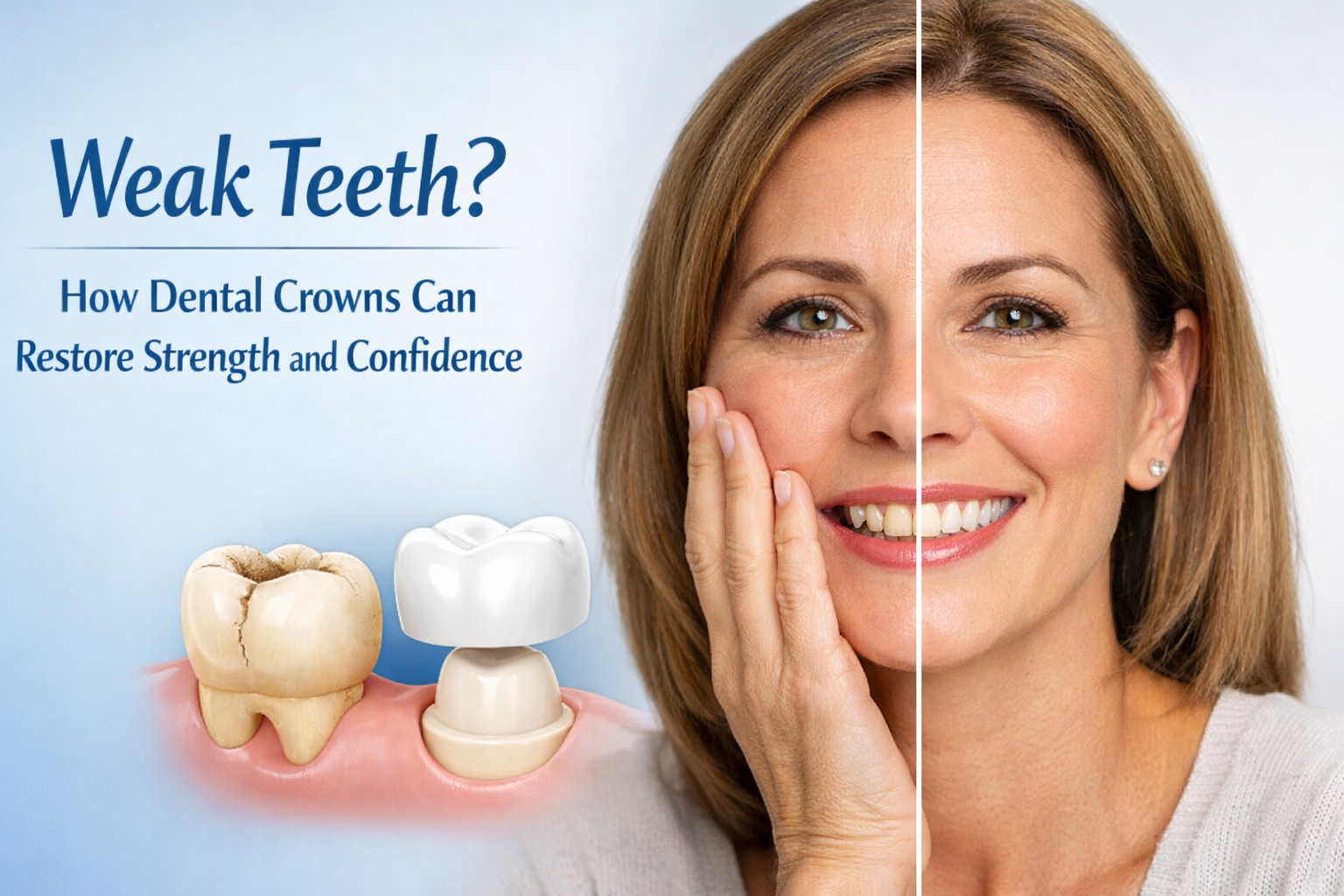
A strong tooth is important, but appearance matters too. When a tooth is damaged, it can affect how you feel about your smile.
Crowns are designed to look natural. They blend with surrounding teeth, making repairs nearly invisible. This is especially helpful for front teeth or visible areas.
They can correct discoloration that does not respond to whitening. Stains, darkened teeth, or uneven tones can be improved with a well-matched crown.
Misshapen or worn teeth also benefit. The crown restores a balanced look, improving overall symmetry.
Many patients feel more comfortable speaking and smiling after treatment. They no longer worry about how their teeth look or whether others will notice damage.
In a place like Washington, where outdoor activities and social gatherings are part of daily life, feeling confident in your smile can make a real difference. It allows you to engage fully without holding back.
Types of Dental Crowns: Which One Is Right for You?
Different materials are used to create crowns, each offering unique benefits.
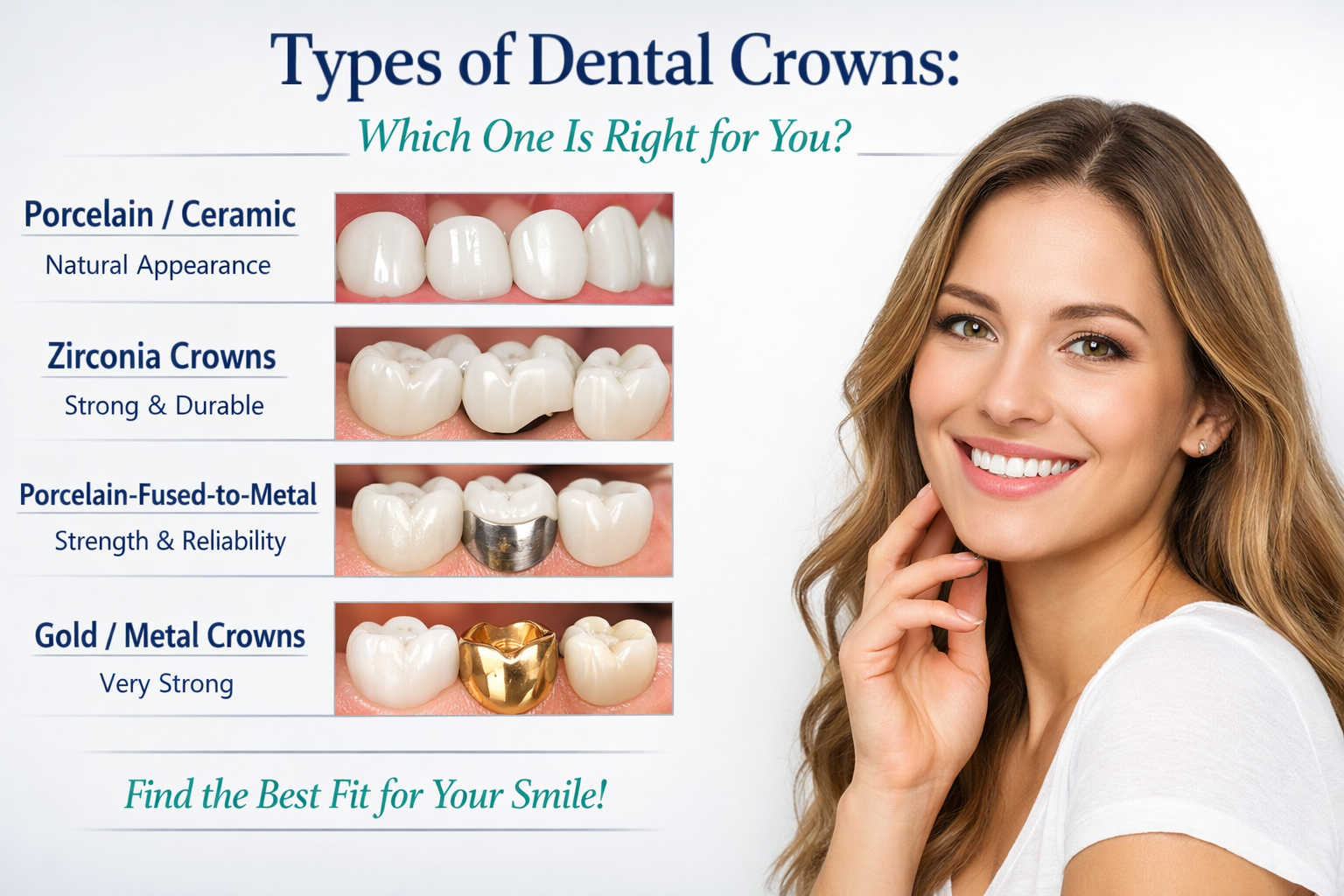
Porcelain or ceramic crowns are popular for their natural appearance. They closely match the color of real teeth, making them ideal for visible areas.
Zirconia crowns offer both strength and aesthetics. They are durable and suitable for areas that handle more pressure, like molars.
Porcelain-fused-to-metal crowns combine strength with a natural outer layer. They have been used for years and provide reliable performance.
Gold or metal crowns are less common today but remain very strong. They are often used in areas where appearance is less of a concern.
The right choice depends on your needs. Factors like tooth location, bite pressure, and personal preference all play a role. A consultation helps determine the best option for your situation.
How Long Do Dental Crowns Last?
Crowns are designed for long-term use. With proper care, they often last between 10 and 15 years or more.
Longevity depends on daily habits. Good oral hygiene plays a major role in maintaining both the crown and the underlying tooth.
Grinding or clenching can reduce lifespan. Excess pressure may cause wear or damage over time. Using a nightguard can help protect your investment.
Diet also matters. Hard foods, ice, or biting on non-food items can place unnecessary stress on the crown.
Regular dental visits allow for early detection of any issues. Small adjustments can extend the life of the restoration.
With the right care, many patients enjoy years of reliable function and comfort.
How to Care for a Dental Crown
Caring for a crown is similar to caring for natural teeth. Consistency is key.
Brush your teeth twice daily using a soft-bristled toothbrush. This helps remove plaque and maintain gum health.
Flossing is just as important. Cleaning around the crown prevents buildup that could affect the surrounding area.
Avoid chewing on hard objects like ice or pens. These habits can damage the crown over time.
If you grind your teeth at night, consider a custom nightguard. This protects both your crown and natural teeth.
Routine dental visits ensure everything stays in good condition. Professional cleanings and exams help catch issues early.
Simple daily habits go a long way in preserving your smile.
When to Consider a Crown Instead of Other Treatments
Not all dental issues require the same approach. In some cases, a crown is the most effective solution.
Large fillings can leave a tooth weak. When there is not enough natural structure, a crown provides better support.
Cracked or broken teeth often need full coverage. This prevents further damage and restores function.
After a root canal, a crown helps protect the treated tooth. Dental crowns in Spokane reduce the risk of future fractures.
Severe wear or erosion also calls for reinforcement. When enamel is significantly reduced, a crown restores both strength and shape.
Choosing the right treatment depends on the condition of your tooth. Early evaluation helps determine the best path forward.
Why Early Treatment Matters for Weak Teeth
Waiting too long can make a simple issue more complex. Early treatment helps protect your natural teeth.
Addressing weakness early prevents cracks from spreading. This reduces the risk of tooth loss.
It also helps avoid more involved procedures later. Treating problems early often means less time and fewer steps.
Maintaining proper bite alignment is another benefit. A weakened tooth can affect how your teeth come together, leading to further issues.
Taking action early supports overall oral health. It keeps your smile stable and functional for years to come.
A weak tooth does not have to limit your comfort or confidence. With the right care, you can restore strength and enjoy everyday activities again.
Treatments that reinforce and protect your teeth can make a noticeable difference. You can chew comfortably, speak clearly, and smile without hesitation.
If you have noticed signs of weakness or damage, it is worth getting it checked. Early care helps preserve your natural teeth and prevents further complications.
At Trailhead Dental, the focus is on practical, patient-first care that fits your needs. Schedule a visit and take the first step toward a stronger, more confident smile.
People Also Ask
How long does it take to get a crown placed?
It usually takes two visits to complete the process. The first visit involves preparation and impressions, while the second visit focuses on placing and adjusting the final crown for a proper fit.
Can a crown look natural like real teeth?
Yes, modern crowns are designed to match the color and shape of natural teeth. Materials like porcelain and ceramic help create a seamless appearance that blends well with your existing smile.
What happens if a weak tooth is left untreated?
A weak tooth can worsen over time and may eventually crack or break. This can lead to more complex treatment or even tooth loss if the damage progresses without proper protection.
Do crowns require special cleaning or care?
Crowns do not require special products, but good oral hygiene is essential. Brushing, flossing, and routine checkups help maintain both the crown and the natural tooth underneath.
Can you eat normally with a crown?
Yes, once the crown is placed and adjusted, you can return to normal eating habits. It is best to avoid extremely hard foods to protect the crown and maintain its longevity.