

Hearing that you need a dental crown can feel surprising — especially if you walked in for a routine checkup. Many patients in Spokane ask the same question: why do I actually need this? Understanding why your dentist recommended a crown helps you make confident, informed decisions about your care. This guide explains the most common clinical reasons behind that recommendation, so nothing feels unexpected or unclear.
At Trailhead Dental, Dr. Jake Storer takes time to walk every patient through their treatment options. Whether you’ve just completed a root canal or noticed a cracked tooth, knowing the why behind a crown recommendation is the first step toward a healthier smile.
What Is a Dental Crown and What Does It Do?
A dental crown is a tooth-shaped cap placed over a damaged or weakened tooth. It restores the tooth’s shape, size, strength, and appearance. Crowns are custom-made to blend naturally with your surrounding teeth.
Crowns are not a one-size-fits-all solution. Dentists recommend them only when a tooth cannot be adequately protected or restored with a filling alone. The goal is always to preserve as much of your natural tooth as possible.
Common materials used for crowns include:
- Porcelain or ceramic — for a natural look on front teeth
- Porcelain fused to metal — for added strength with aesthetics
- Zirconia — highly durable and lifelike in appearance
- Gold or metal alloys — extremely strong, ideal for back molars
Your dentist will choose the best material based on the tooth’s location, your bite force, and your cosmetic goals.
Common Reason #1 — You Have a Cracked or Fractured Tooth in Spokane
A cracked tooth is one of the most frequent reasons dentists in Spokane recommend a crown. Cracks can happen from chewing hard foods, grinding teeth at night, or a sudden injury. Even a small crack can worsen quickly under normal chewing pressure.
The tricky part about cracks is that they are not always visible to the naked eye. You might feel sharp pain when biting down, or notice sensitivity to hot and cold temperatures. These are warning signs that the tooth’s structural integrity is compromised.
A crown holds the cracked tooth together like a protective shell. It prevents the crack from spreading further toward the root. Without treatment, a minor crack can eventually lead to a tooth fracture or infection.
If you experience sudden tooth pain in Spokane, seeking care quickly matters. You can learn more about urgent tooth issues through Emergency Dentistry Spokane at Trailhead Dental.
Common Reason #2 — A Large Filling Has Failed or Is Too Big
Fillings do not last forever. Over time, old amalgam or composite fillings can crack, loosen, or decay around the edges. When a filling takes up more than half the width of a tooth, that tooth becomes structurally vulnerable.
Dr. Storer may recommend a crown when an existing filling is too large to be safely replaced with another filling. Placing a new filling in an already heavily restored tooth can actually weaken it further. A crown provides full coverage and long-lasting protection.
Signs that a filling may be failing include:
- Sensitivity or pain around a previously treated tooth
- Visible discoloration or dark edges around the filling
- A rough or uneven feeling when you run your tongue over it
- A piece of filling that has chipped or fallen out
Catching a failing filling early gives you more treatment options. Regular checkups at Trailhead Dental allow Dr. Storer to monitor restorations before they reach a critical stage.
Common Reason #3 — You Just Had a Root Canal Treatment
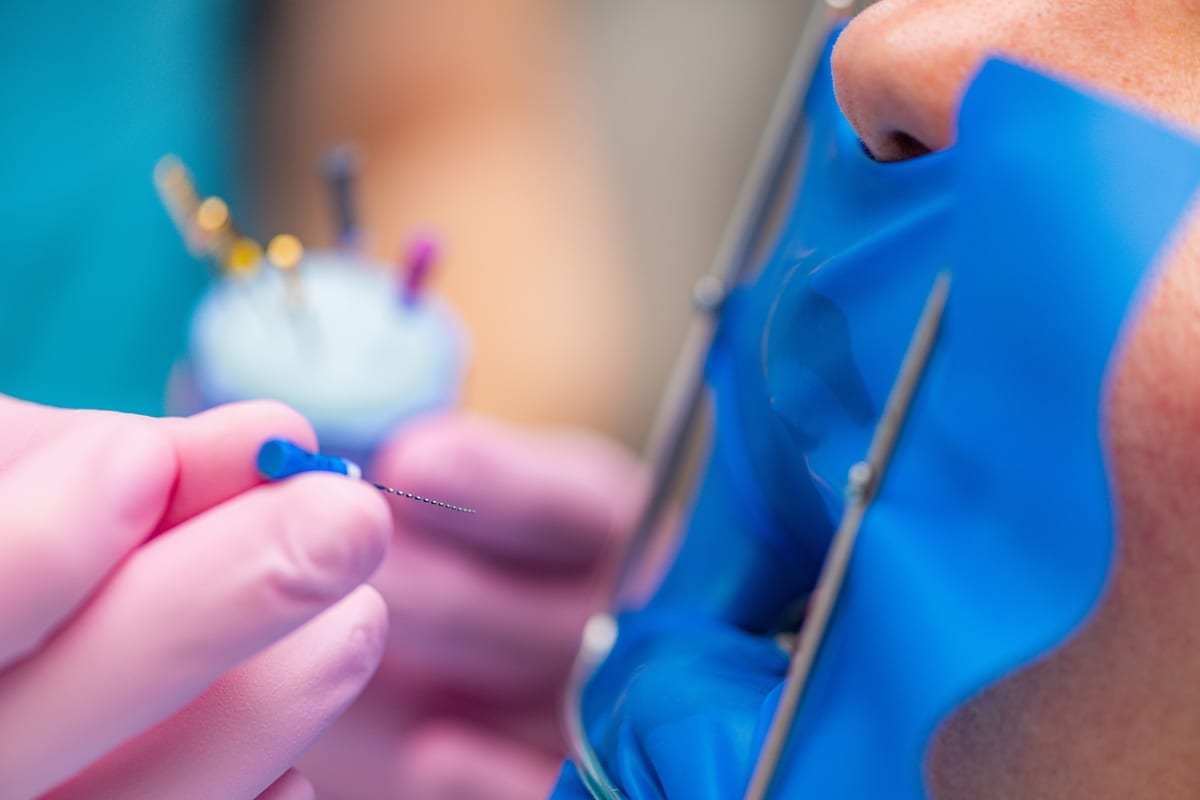
Root canal treatment removes infected pulp from inside the tooth. This saves the tooth from extraction, but it also leaves the tooth more brittle than before. A tooth without living pulp loses moisture and becomes prone to fractures.
For this reason, most back teeth — molars and premolars — require a crown after a root canal. These teeth bear the most chewing force. Without a crown, they are at high risk of breaking under normal daily use.
Front teeth may sometimes be restored with a filling instead, depending on the remaining tooth structure. Dr. Storer evaluates each case individually to recommend the right approach for your specific tooth.
Think of the crown after a root canal as the final, essential step in saving your tooth. It protects your investment in keeping your natural smile intact.
Common Reason #4 — A Broken or Worn-Down Cusp
A dental cusp is one of the pointed or rounded bumps on the biting surface of your tooth. Cusps can break due to biting hard foods, old silver fillings weakening the surrounding structure, or tooth grinding over time.
When a cusp breaks off, the remaining tooth structure may be jagged, sensitive, and difficult to clean properly. A large filling is rarely enough to rebuild a broken cusp reliably. A crown restores the full shape of the tooth and brings back normal function.
Tooth grinding — also called bruxism — is a common culprit for worn-down cusps here in Spokane. If Dr. Storer notices significant wear across multiple teeth, he may also discuss a night guard alongside your crown recommendation.
Restoring worn teeth can also improve the overall look of your smile. For patients interested in both function and aesthetics, treatments like Cosmetic Dentistry Spokane at Trailhead Dental may complement your restorative work.
What to Expect During the Crown Process at Trailhead Dental
Getting a crown typically requires two visits to our Spokane office. During the first appointment, Dr. Storer prepares the tooth by removing a small amount of enamel. He then takes an impression or digital scan so your custom crown can be fabricated.
You will receive a temporary crown to protect the tooth while your permanent one is being made. At your second visit, the temporary crown is removed and your permanent crown is fitted and cemented in place.
Here is a simple overview of the process:
- Examination and X-rays to confirm a crown is the right treatment
- Tooth preparation and impression or digital scan
- Temporary crown placement while your custom crown is crafted
- Final crown fitting and permanent cementation
Most patients find the process straightforward and comfortable. Local anesthesia is used during preparation, so you should not feel pain during the procedure.
Conclusion — Understanding Your Crown Recommendation in Spokane
A dental crown recommendation is never made casually. Dr. Jake Storer at Trailhead Dental recommends crowns only when they are the most effective way to protect and restore your tooth for the long term. Whether you have a cracked tooth, a failing large filling, a recently treated root canal, or a broken cusp, a crown is a clinically sound solution designed to preserve your natural tooth.
If you have questions about your crown recommendation or want to explore your options, our team is here to help. Book Now to schedule your appointment with our team.
Frequently Asked Questions
Is getting a dental crown painful?
The preparation appointment uses local anesthesia, so you should not feel pain during the procedure. Some mild sensitivity or soreness around the tooth is normal for a few days afterward. Over-the-counter pain relievers typically manage any discomfort well.
How long does a dental crown last?
Most crowns last between 10 and 15 years with proper care. Some patients keep their crowns for 20 years or more. Good oral hygiene, regular checkups, and avoiding habits like grinding or chewing ice all extend the life of your crown.
Can I wait before getting a crown my dentist recommended?
Delaying a recommended crown can allow the underlying problem to worsen. A cracked tooth can fracture further, and a compromised filling can lead to decay or infection. It is best to discuss any timing concerns directly with Dr. Storer so you understand the risks of waiting.
Will my crown look natural?
Modern crowns are designed to closely match the color, shape, and size of your surrounding teeth. Porcelain and zirconia options are especially lifelike in appearance. Most people will not be able to tell the difference between your crown and your natural teeth.
What happens if I do not get a crown when recommended?
Without a crown, a vulnerable tooth is at much higher risk of fracturing, developing an infection, or eventually requiring extraction. Tooth loss creates its own set of complications for your bite, bone health, and confidence. Addressing the issue early is almost always the simpler and less costly path.