
Choosing between Invisalign and traditional braces is one of the most common questions we hear at Trailhead Dental. For Spokane patients weighing Invisalign vs. braces, the decision involves more than just aesthetics. Comfort, lifestyle, cost, and treatment scope all play a role. This guide helps you understand both options clearly so you can make a confident, informed choice.
How Invisalign and Braces Work Differently in Spokane
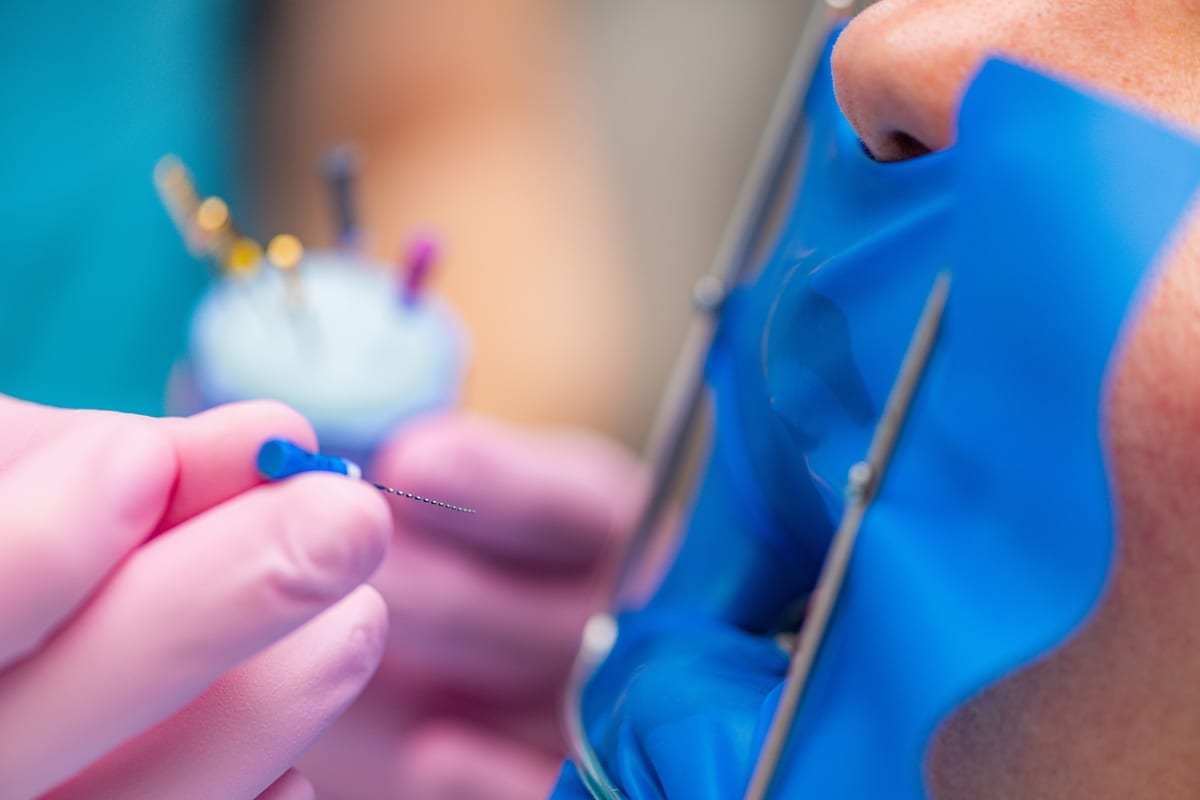
Traditional braces use metal brackets bonded to your teeth. An archwire connects them and applies steady pressure to shift teeth over time. Your orthodontist tightens the wire at regular appointments throughout treatment.
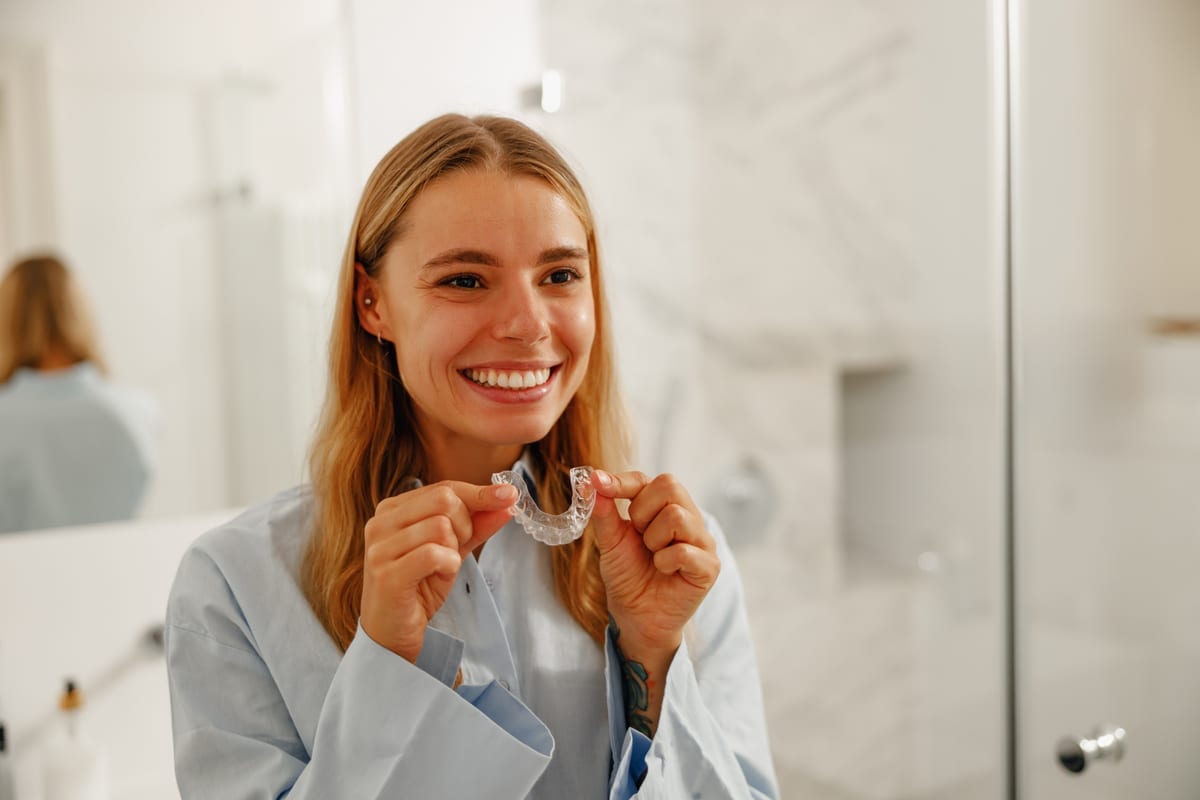
Invisalign uses a series of custom-made, clear plastic aligners. You swap to a new set roughly every one to two weeks. Each aligner moves your teeth in small, precise increments toward the final goal.
Both systems work by applying consistent pressure to reposition teeth. The key difference is how that pressure is delivered. One is fixed and visible. The other is removable and nearly invisible.
At Trailhead Dental, Dr. Jake Storer evaluates each patient individually. The best option depends on your bite complexity, lifestyle, and personal goals. There is no universal right answer — only the right answer for you.
Comfort, Visibility, and Daily Life: A Side-by-Side Comparison
Comfort is often the first factor adults consider. Metal braces can cause soreness after adjustments. The brackets may irritate your cheeks and gums, especially in the early weeks.
Invisalign aligners are smooth plastic with no sharp edges. Most patients report mild pressure when switching to a new tray. This discomfort usually fades within a day or two.
Visibility is another major factor for adults. Traditional braces are immediately noticeable. Many adults feel self-conscious wearing them in professional or social settings.
Invisalign aligners are nearly transparent. Most people won’t notice them during normal conversation. This makes Invisalign a popular choice among working professionals and adults in Spokane who want a discreet treatment experience.
- Braces: Fixed, more visible, no removal needed
- Invisalign: Removable, nearly invisible, requires discipline to wear 20–22 hours daily
- Braces: Can feel sharp or irritating initially
- Invisalign: Smooth and comfortable with minimal irritation
- Braces: Food restrictions apply — no sticky or hard foods
- Invisalign: Remove to eat anything you like
Treatment Scope: Which Option Handles Your Case Best?
Traditional braces have a longer track record with complex orthodontic cases. Severe crowding, significant bite misalignment, and rotations often respond well to braces. They give Dr. Storer precise mechanical control throughout treatment.
Invisalign technology has advanced significantly in recent years. Modern aligners can now address many moderate to complex cases effectively. Mild to moderate crowding, spacing issues, and some bite corrections all fall within Invisalign’s range.
However, not every case is ideal for clear aligners. Severe skeletal bite issues may still require braces or additional appliances. Dr. Storer will take digital scans and review your full bite to determine candidacy.
Compliance is also a factor unique to Invisalign. Aligners must be worn 20 to 22 hours per day to work effectively. Patients who frequently remove them may experience delayed results. Braces work continuously without requiring patient discipline to keep them in.
- Invisalign works well for: mild-to-moderate crowding, spacing, and minor bite issues
- Braces work well for: complex rotations, significant bite correction, and severe crowding
- Both options: require retainers after treatment to maintain results
- Both options: involve regular check-in appointments with Dr. Storer
Cost and Timeline: What Spokane Patients Should Know
Treatment cost for both options varies depending on case complexity and duration. Invisalign and braces tend to fall within a similar price range for most adult patients. More complex cases will generally cost more regardless of which option you choose.
Invisalign treatment typically ranges from 12 to 18 months for mild to moderate cases. Traditional braces may take 18 to 36 months depending on the severity of misalignment. More complex cases often require longer treatment times with either method.
It is worth noting that Invisalign may require fewer in-office appointments. Many patients appreciate fewer visits to the dental office during treatment. However, you will still need periodic check-ins to ensure progress stays on track.
As part of Cosmetic Dentistry Spokane services at Trailhead Dental, Invisalign can also be combined with other smile enhancements. Teeth whitening or veneers after orthodontic treatment can create a truly complete transformation. Dr. Storer can discuss a phased treatment plan that fits your goals and budget.
Which Option Is Right for Your Lifestyle in Spokane?
Your lifestyle matters enormously when choosing between Invisalign and braces. If you play contact sports, Invisalign may be more comfortable and safer during games. Removing the aligner is simple and keeps your mouth protected with a mouthguard.
If you frequently eat out or enjoy a varied diet, Invisalign offers freedom braces do not. You remove the trays before meals and brush before reinserting them. Braces require avoiding certain foods entirely to prevent damage to brackets and wires.
For patients who feel they might forget to wear aligners consistently, braces offer a set-it-and-forget-it advantage. They work around the clock without requiring daily decisions. Some patients find this hands-off aspect reassuring.
If you ever face a dental emergency during treatment — a broken bracket or an aligner that cracks — know that Emergency Dentistry Spokane services at Trailhead Dental are available. Dr. Storer and the team are here when you need prompt care.
Starting Your Smile Transformation at Trailhead Dental
Both Invisalign and traditional braces offer life-changing results when managed by an experienced provider. The best choice truly depends on your bite complexity, daily habits, and personal priorities. Dr. Jake Storer will review your case thoroughly and give you honest, personalized guidance.
Spokane patients can trust that Trailhead Dental takes a patient-first approach to every orthodontic consultation. We use digital imaging and detailed assessments to map out your treatment clearly. You will leave your consultation understanding exactly what to expect.
Whether you choose clear aligners or traditional braces, the goal is the same: a healthier, straighter, more confident smile. Our team is here to support you every step of the way. Book Now to schedule your appointment with our team.
Frequently Asked Questions
Is Invisalign as effective as braces for adults?
Invisalign is highly effective for mild to moderate alignment issues in adults. Advances in aligner technology now allow treatment of many cases once reserved for braces. Dr. Storer can assess your specific bite and recommend the most effective option for your needs.
How long does Invisalign treatment take compared to braces?
Invisalign typically takes 12 to 18 months for straightforward cases. Traditional braces may take 18 to 36 months, especially for more complex corrections. Your timeline will depend on the severity of your alignment issues and how consistently you follow the treatment plan.
Can I eat normally with Invisalign?
Yes — one of Invisalign’s biggest advantages is that you remove the aligners before eating. You can enjoy virtually any food without restrictions. Just brush your teeth before reinserting your trays to keep them clean and clear.
Will braces or Invisalign affect how I speak?
Some patients notice a slight adjustment period with both options. Invisalign can cause a temporary lisp until your tongue adjusts to the trays. Braces may feel bulky at first but most patients adapt within one to two weeks.
What happens after my orthodontic treatment is complete?
After treatment with either braces or Invisalign, you will need to wear a retainer. Retainers prevent teeth from shifting back to their original positions. Dr. Storer will provide clear instructions on how long and how often to wear your retainer to protect your results.