

A root canal can save your tooth, but when is it needed? For many, the term “root canal” might sound intimidating, but it’s a procedure that can relieve pain and preserve your natural tooth for years to come. If you’ve been experiencing discomfort or sensitivity in your tooth, it’s important to understand the signs that indicate you might need this treatment.
In this blog, we will explore why a tooth might require a root canal, the common symptoms that lead to the need for the procedure, and what to expect during the treatment. If you’re in the Tacoma area and have concerns about your oral health, Trailhead Dental is here to help you restore your smile with professional care. Let’s dive in!
What Is a Root Canal Treatment?
A root canal treatment, often referred to as endodontic therapy, is a procedure designed to remove infection from the inside of a tooth. The infection occurs when bacteria enter the pulp (the innermost part of the tooth containing nerves and blood vessels), leading to pain and potential tooth damage.
When the pulp becomes infected or inflamed, a root canal is often necessary to save the tooth from extraction. The treatment involves removing the infected pulp, cleaning the space, and sealing it to prevent further infections. Afterward, the tooth is restored with a crown or filling to maintain its functionality and appearance.
Root canal treatment is essential in preserving your natural tooth. Without this intervention, the infection could spread, causing more damage to the surrounding tissues, leading to the potential loss of the tooth. By opting for root canals in Spokane, you avoid the need for a tooth extraction and prevent more severe dental issues.
At Trailhead Dental in Tacoma, we specialize in providing gentle, effective root canal treatments, ensuring your comfort throughout the process.
Signs That Indicate a Need for Root Canal Treatment
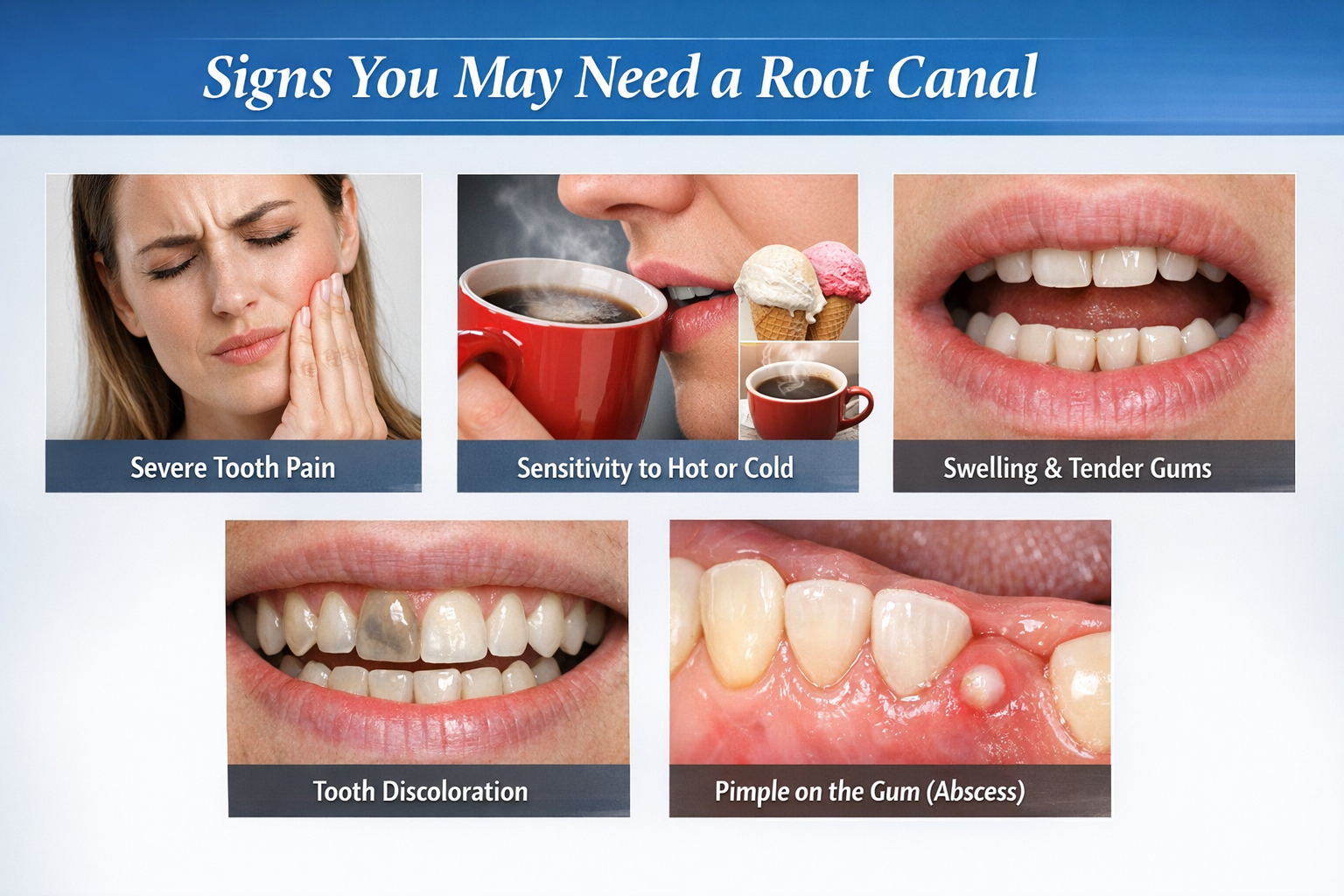
There are several key signs that suggest you may need a root canal. If you experience any of the following symptoms, it’s important to schedule an appointment with your dentist at Trailhead Dental:
- Severe Tooth Pain: One of the most common indicators that a tooth may require a root canal is severe pain, especially when chewing or touching the tooth. The pain may come and go, but it’s often sharp and intense.
- Sensitivity to Hot or Cold: Prolonged sensitivity to hot or cold temperatures, even after removing the stimulus, can be a sign that the tooth’s pulp is damaged or infected. This sensitivity might worsen over time.
- Swelling or Tenderness Around the Tooth: If the gums near the affected tooth become swollen or tender, it could be a sign of infection. The infection may have spread beyond the pulp into the surrounding tissues.
- Discoloration of the Tooth: A tooth that darkens or becomes discolored may indicate that the pulp inside the tooth has died or is infected. This change in color can be noticeable even without other symptoms.
- Pimple-like Bump on the Gum: Sometimes, a small pimple-like bump can form on the gums near the affected tooth. This is an abscess, which occurs when infection spreads to the surrounding tissue, and it’s a strong indication that a root canal may be needed.
If you’re experiencing any of these symptoms, it’s important to see your dentist at Trailhead Dental as soon as possible. Early intervention can help save your tooth and prevent further complications.
Common Causes of Root Canal Problems
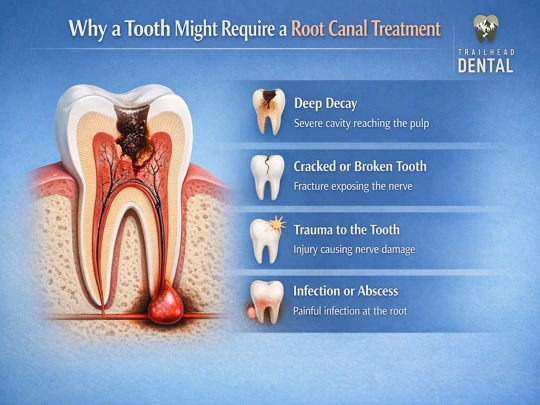
Understanding the causes of root canal issues can help you avoid potential dental problems. Below are some common reasons a tooth might need a root canal:
- Tooth Decay: When cavities are left untreated, the decay can eventually reach the tooth’s pulp, leading to an infection. The infection can cause severe pain and necessitate a root canal.
- Cracked or Chipped Teeth: A crack or chip in a tooth can expose the pulp to bacteria, leading to an infection. Even if you don’t feel pain immediately, the bacteria can spread over time, causing damage to the pulp and surrounding tissues.
- Infection or Abscess: An untreated cavity or injury can result in a bacterial infection inside the tooth. The bacteria can cause an abscess, a painful pocket of pus, at the root of the tooth. This infection can spread to other parts of the mouth if not treated promptly.
- Trauma to the Tooth: Even if a tooth doesn’t hurt immediately, a traumatic injury (like a fall or accident) can cause damage to the tooth’s nerve. This can lead to infection and inflammation of the pulp, requiring a root canal to preserve the tooth.
By understanding the root causes of these dental issues, you can better maintain your oral health. Regular visits to Trailhead Dental for checkups and cleanings can help identify potential issues early on, preventing the need for more extensive treatments.
How a Root Canal Can Save Your Tooth
A root canal treatment provides several important benefits for your oral health. The main advantage of this procedure is that it allows you to preserve your natural tooth, which is always the preferred option when possible. Here’s how a root canal can save your tooth:
- Preserving the Natural Tooth: By removing the infected pulp and sealing the tooth, root canal treatment allows you to keep your original tooth. This is important because natural teeth are better at maintaining jawbone structure and providing proper function.
- Preventing the Need for Tooth Extraction: Without a root canal, the infection can spread, leading to the need for tooth extraction. Losing a tooth can affect your ability to chew and speak properly, and it may require additional procedures like dental implants or bridges to restore your smile.
- Reducing the Risk of Further Complications: If left untreated, an infected tooth can lead to severe complications, including bone loss or abscesses. A root canal removes the infection and reduces the risk of these problems, allowing your tooth to function normally again.
At Trailhead Dental, our team is dedicated to preserving your smile. If you’re dealing with tooth pain or other symptoms, don’t wait. Schedule an appointment today to see if a root canal is the right solution for you.
What Happens During a Root Canal Procedure?
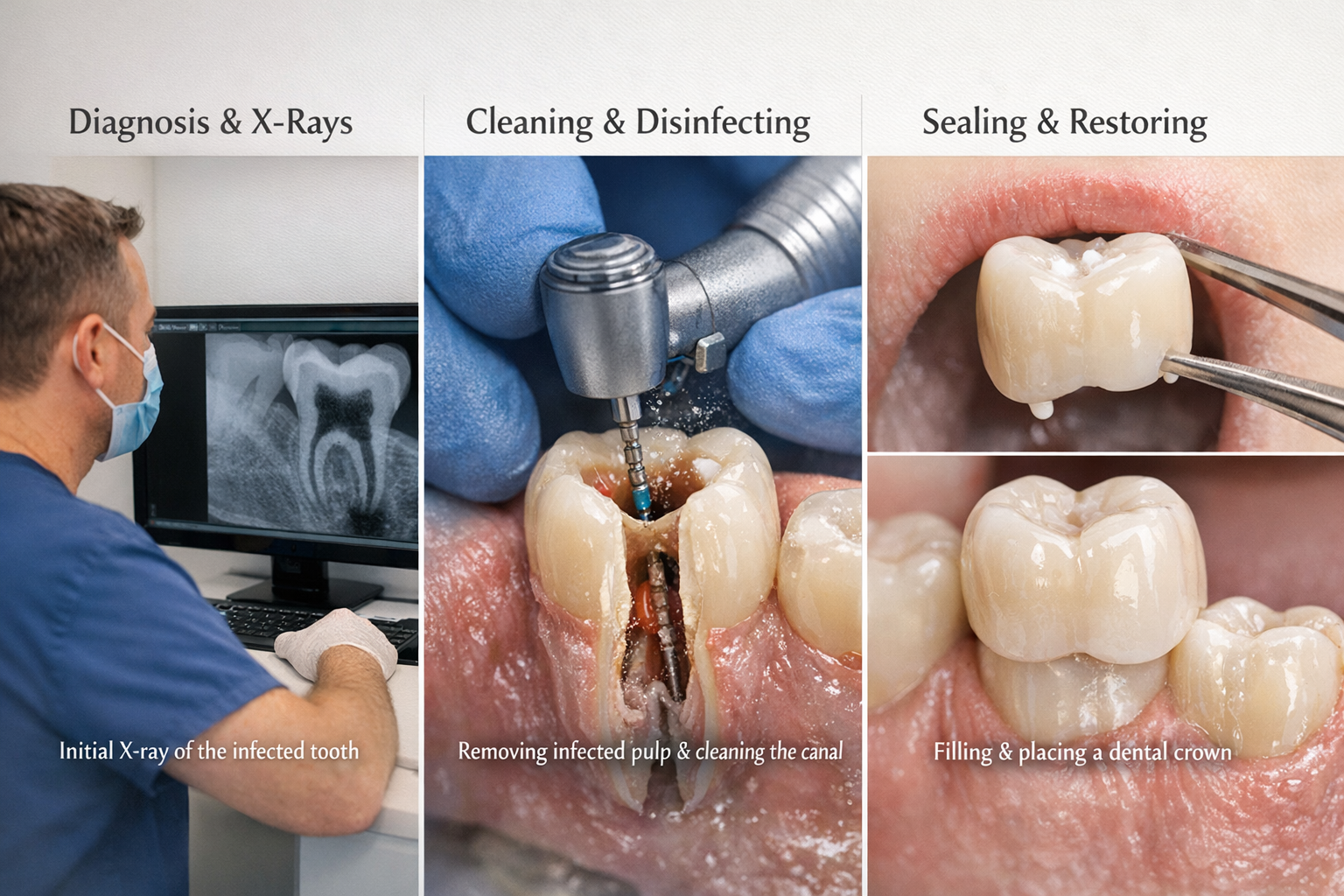
If your dentist recommends root canals in Spokane, here’s what you can expect during the procedure:
- Diagnosis and X-rays: Your dentist will first take an X-ray of the affected tooth to assess the extent of the infection and determine the best course of treatment.
- Cleaning and Disinfecting the Tooth: Once the area is numb, the dentist will make a small opening in the crown of the tooth. The infected pulp will be carefully removed, and the tooth will be thoroughly cleaned and disinfected to prevent further infection.
- Sealing and Restoring the Tooth: After the tooth is cleaned, the dentist will seal the tooth with a biocompatible material to prevent bacteria from re-entering. In most cases, a crown will be placed over the tooth to restore its strength and function.
The procedure typically takes one to two hours, and you may need a follow-up visit for the final restoration. At Trailhead Dental, we prioritize your comfort throughout the entire process, ensuring a smooth and stress-free experience.
Post-Treatment Care and Recovery
After your root canal treatment, proper care is essential for a smooth recovery. Here are some important tips for post-treatment care:
- Avoid Chewing on the Treated Tooth: Until your final restoration (crown) is placed, avoid chewing on the treated tooth to prevent damage to the temporary filling.
- Take Prescribed Pain Medication: You may experience mild discomfort after the procedure. Your dentist may recommend over-the-counter pain relievers or prescribe stronger medication if necessary.
- Keep Follow-Up Appointments for Restoration: After your root canal is completed, a follow-up visit will be scheduled to place a permanent crown or filling to restore the tooth’s full functionality.
By following these care guidelines and attending follow-up appointments, you can ensure the success of your root canal treatment and preserve your tooth for years to come.
If you’re experiencing symptoms like tooth pain, sensitivity, or swelling, it’s important to see a dentist as soon as possible. A root canal can save your tooth and prevent more serious dental problems down the road. At Trailhead Dental, we are dedicated to providing the highest level of care and comfort to all of our patients in Spokane.
Don’t wait until the pain worsens. Contact Trailhead Dental today to schedule a consultation with our expert team. We’ll help you determine if a root canal is the best solution for you, ensuring your smile stays healthy and vibrant for years to come.
Frequently Asked Questions
How long does a root canal take?
A root canal typically takes one to two hours, depending on the complexity of the case.
Is a root canal a permanent solution?
Yes, a root canal can last many years with proper care, though you’ll need a crown to restore the tooth’s strength and function.
Can I eat after a root canal?
It’s recommended to avoid chewing on the treated tooth until it’s fully restored with a crown. Soft foods are best immediately after the procedure.
Is a root canal better than tooth extraction?
A root canal is often preferable because it allows you to keep your natural tooth, which is better for your long-term oral health compared to extraction.
Can I return to work after a root canal?
Yes, most patients can return to work the same day after a root canal, though you may need to avoid strenuous activities for a day or two.