
If your teeth are shifting—here’s why you’ve waited too long in Fairwood to act. That subtle gap, that tilting tooth, or that tender jaw isn’t just cosmetic. These are warning signs your mouth is changing in ways that get harder to reverse over time. The good news? Understanding what’s happening is the first step toward getting your smile back.
Many Fairwood residents put off dental visits for months—sometimes years. Life gets busy, discomfort seems manageable, and the problem feels invisible. But underneath the surface, your jawbone and surrounding teeth may already be reacting to a missing or failing tooth.
Why Your Teeth Are Shifting in Fairwood—And What It Means
When you lose a tooth, the neighboring teeth lose their anchor point. Over time, they begin to drift toward the empty space. This is called tooth migration, and it happens faster than most people expect.
Shifting teeth change your bite alignment. That misalignment puts uneven pressure on other teeth. Over time, that pressure causes additional wear, cracking, and sensitivity.
Here are some early warning signs you should never ignore:
- Visible gaps forming between teeth that weren’t there before
- A tooth that feels loose or slightly tilted
- New sensitivity when biting or chewing
- Jaw soreness or clicking sounds when you open your mouth
- Difficulty keeping food from getting stuck in new spaces
These signs mean your mouth is already compensating for a structural problem. Waiting longer only deepens the issue.
The Hidden Danger—Bone Loss Beneath the Surface
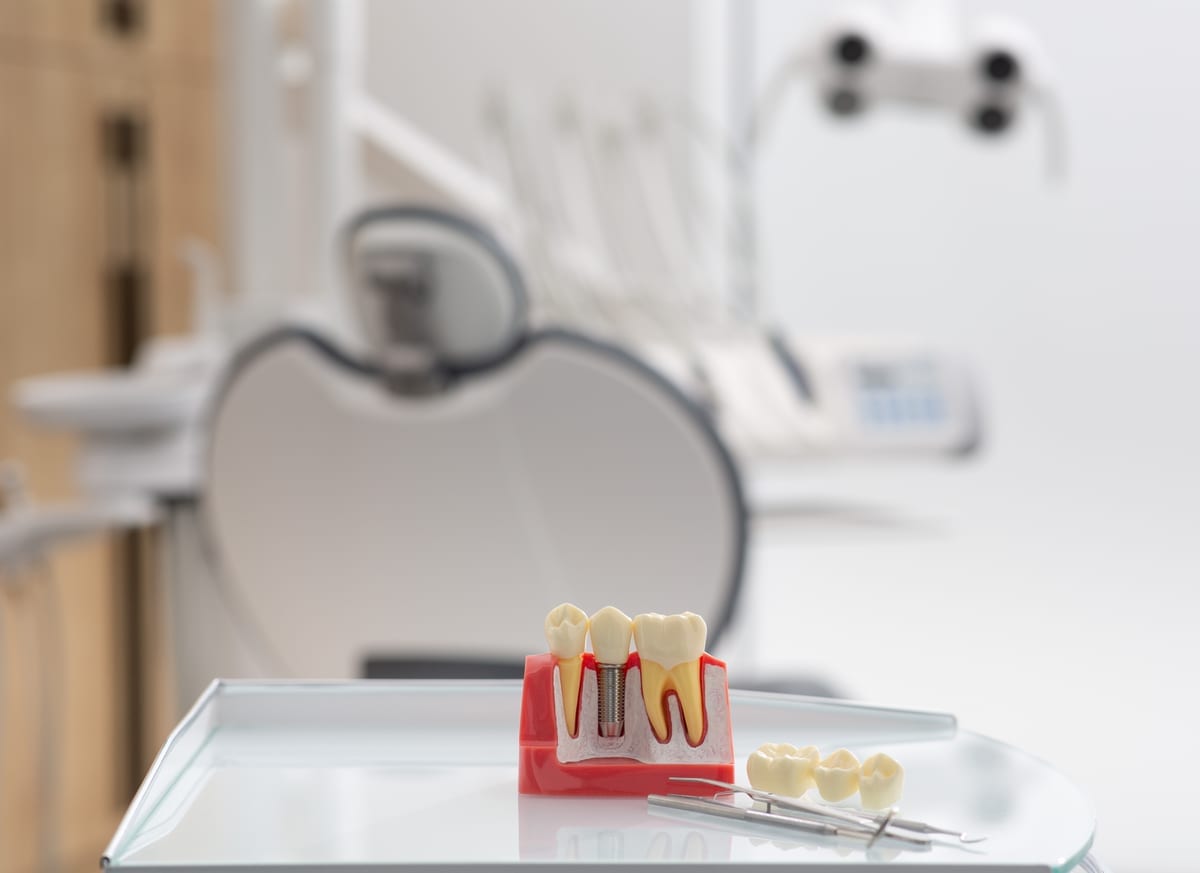
Tooth roots do more than hold your teeth in place. They stimulate the jawbone every time you bite or chew. When a tooth is lost, that stimulation stops. The jawbone begins to shrink in a process called resorption.
Bone loss is silent. You won’t feel it happening day to day. But after just one year of a missing tooth, you can lose up to 25% of the bone width in that area. That number increases every year you wait.
Less bone means fewer options for treatment. Dental implants—widely considered the gold standard for tooth replacement—require sufficient bone density to anchor properly. The longer you delay, the more likely you’ll need bone grafting before an implant becomes possible. That adds time, cost, and complexity to your care.
Bone loss also affects your facial structure. A sunken or hollow appearance around the jaw can develop over the years. This is why long-term tooth loss visibly ages a person’s face.
Difficulty Chewing—A Sign the Problem Has Gone Too Far
Chewing difficulty is one of the clearest signs that dental problems have progressed. It’s easy to adapt—you start favoring one side, cutting food smaller, or avoiding certain textures. But these adaptations mask the real issue.
When you consistently chew on one side, you place excessive strain on those teeth. You may develop jaw joint problems, also known as TMJ issues. The overworked side wears down faster, leading to chips, cracks, or tooth fractures.
Consider these chewing-related red flags:
- Avoiding hard or crunchy foods you used to enjoy
- Pain or discomfort when biting down
- Feeling like your bite doesn’t close evenly anymore
- Noticing that certain teeth are doing all the work
These aren’t just inconveniences. They’re signals that your dental structure is under serious stress. Addressing them now prevents a much larger cascade of problems down the road.
What Happens If You Keep Waiting—A Realistic Look
Many Fairwood patients assume the problem will stay the same if they don’t address it. Unfortunately, dental problems rarely stay the same. They almost always get worse.
A single missing tooth can eventually lead to multiple teeth shifting. Those shifted teeth become harder to clean. Harder-to-clean teeth develop decay and gum disease faster. Gum disease accelerates bone loss. Bone loss makes treatment more complicated and costly.
This cycle is well-documented and entirely preventable. The earlier you intervene, the simpler and more effective your treatment options become. Dental implants placed before significant bone loss occurs integrate more reliably and last longer. Orthodontic correction of shifted teeth is much easier before years of drift have set in.
There’s no version of this story where waiting makes things easier. But there is a version where you act now and avoid years of compounding dental problems.
Your Next Step—Getting Evaluated at Trailhead Dental
Dr. Jake Storer and the team at Trailhead Dental serve patients throughout the Spokane area, including Fairwood. A comprehensive evaluation can show exactly what’s happening with your bone density, bite alignment, and neighboring teeth. You’ll get a clear picture of where things stand—and what your options are.
If you’re dealing with a dental emergency or sudden pain related to a lost or broken tooth, Emergency Dentistry services are available to address urgent issues right away. Acting quickly during a dental emergency can prevent far more serious bone and tissue loss.
For patients interested in rebuilding their smile after tooth loss or shifting, Cosmetic Dentistry options like veneers, implants, and whitening can restore both function and appearance. Looking and feeling like yourself again is absolutely possible—even after significant dental changes.
The conversation starts with one visit. Don’t let another month go by while your teeth continue to shift. Book Now to schedule your appointment with our team.
Frequently Asked Questions
How quickly do teeth shift after tooth loss?
Teeth can begin shifting within weeks of losing a tooth. The rate varies by individual, but noticeable movement often occurs within the first few months. Acting sooner rather than later gives you the most treatment options with the least complexity.
Can shifting teeth be corrected after they’ve moved?
Yes, shifted teeth can often be corrected using orthodontic treatment or other restorative approaches. However, the longer teeth have been drifting, the more involved the correction process becomes. Early evaluation helps determine the best path forward for your specific situation.
Is bone loss reversible once it starts?
Natural bone loss from tooth loss cannot be reversed on its own, but bone grafting procedures can restore volume in many cases. This allows implants to be placed even after some bone loss has occurred. The sooner you address missing teeth, the less bone grafting you’re likely to need.
What is the best tooth replacement option for preventing further bone loss?
Dental implants are considered the most effective option for preserving bone after tooth loss. The implant post acts like a natural tooth root, stimulating the jawbone and preventing further resorption. Bridges and dentures do not provide this same level of bone stimulation.
How do I know if I have bone loss without visiting a dentist?
Bone loss is typically invisible without dental X-rays. You may notice facial changes, increased tooth sensitivity, or loosening teeth over time—but by then, significant loss may have already occurred. A dental exam with imaging is the only reliable way to assess your current bone density.